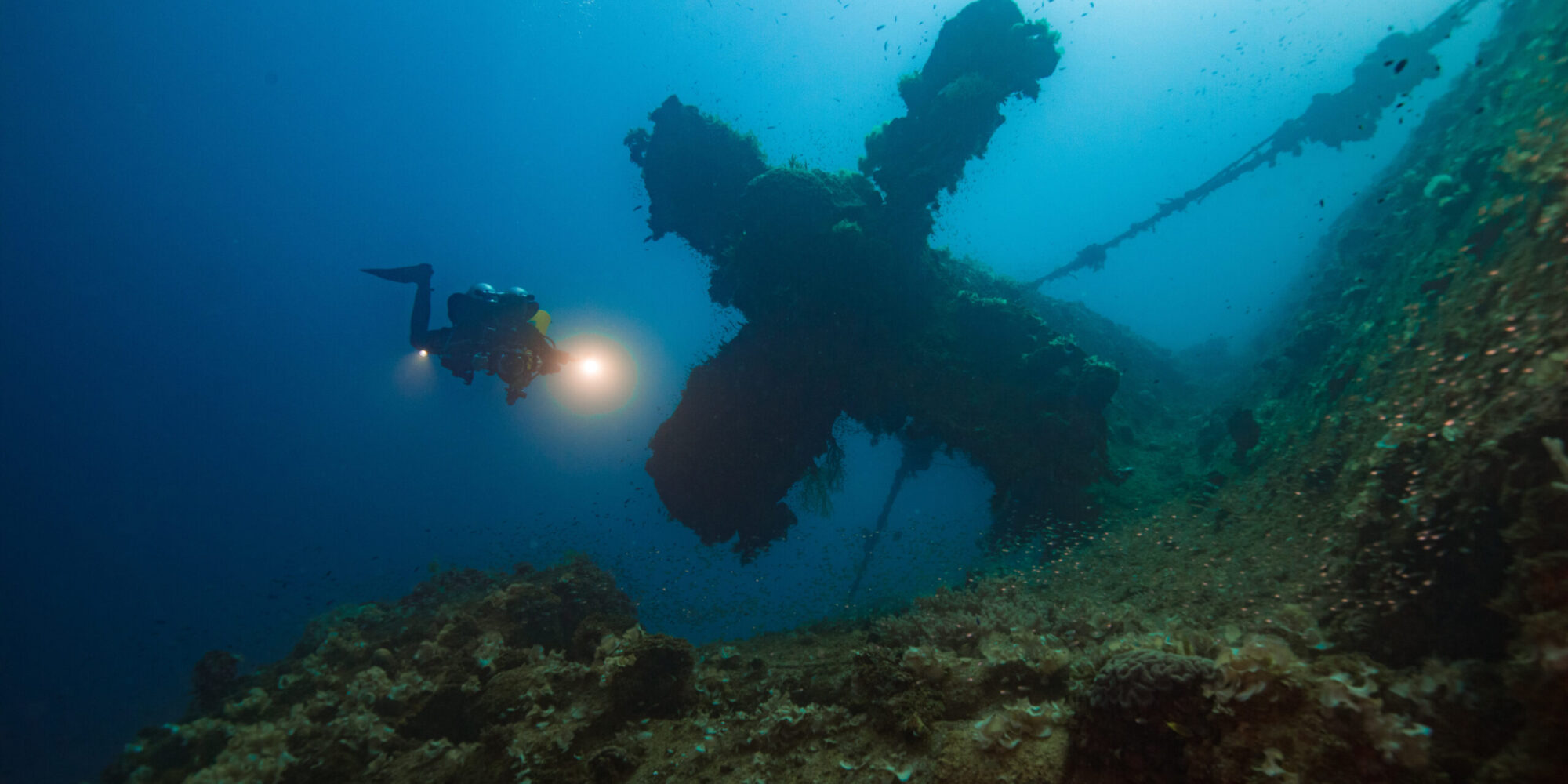
The Next Major Oil Spill Has Already Sunk
Project Tangaroa
Preventing tomorrow's polluting from yesterday's wrecks.
8500
Know PPWs globally
20.4
Million Tonnes of oil still contained globally
£340
Billion, Global potential reactive response cost
Working Groups
The first phase of Project Tangaroa benefited immensely from the support of an international expert community. Expert contributions were vital in building trust and credibility with key stakeholders such as UN bodies and Government agencies. Such contributions allowed us to demonstrate that any agency that commits to action can be assured of access to a deep well of technical and scientific support in order to optimise use of resources. Much of Project Tangaroa’s work is achieved through Regional Action Groups and Working Groups. The Regional Action Groups provide baseline information and analysis to assist regional stakeholders in the development of a fit for purpose PPW strategy and a framework for an actionable management plan. Our Working Groups address specific topics that need attention, many of which will feed into the work of the Regional Action Groups. Each group is characterised by authentic stakeholder engagement and commitment to localisation.
PPWs: Frequently asked questions
What are 'Potentially Polluting Wrecks'?
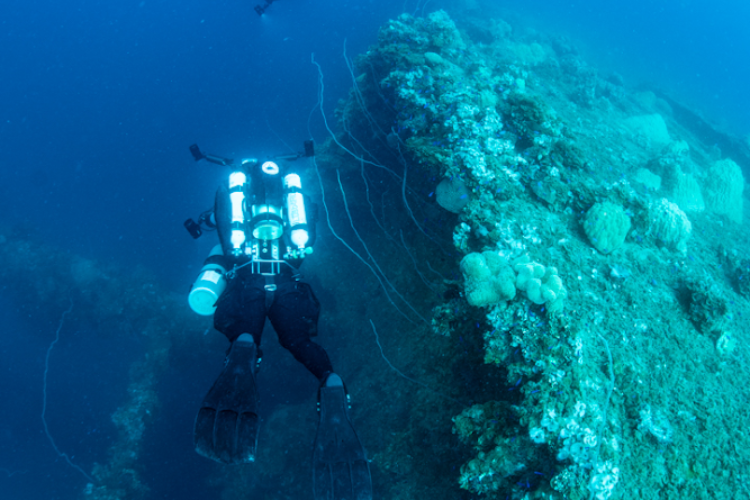
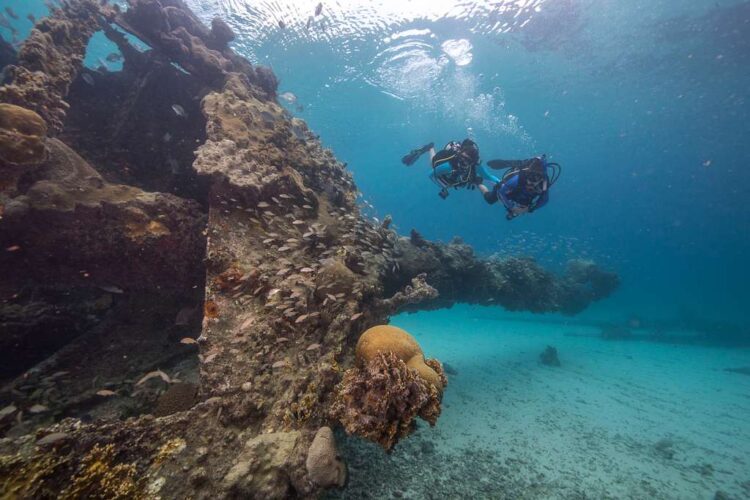
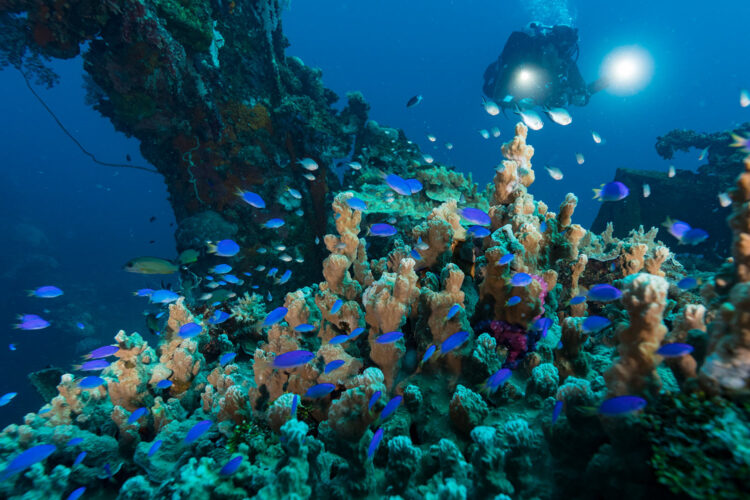
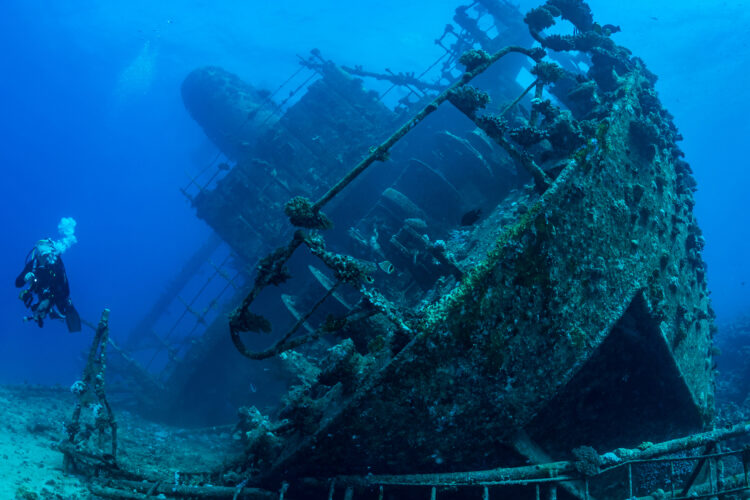
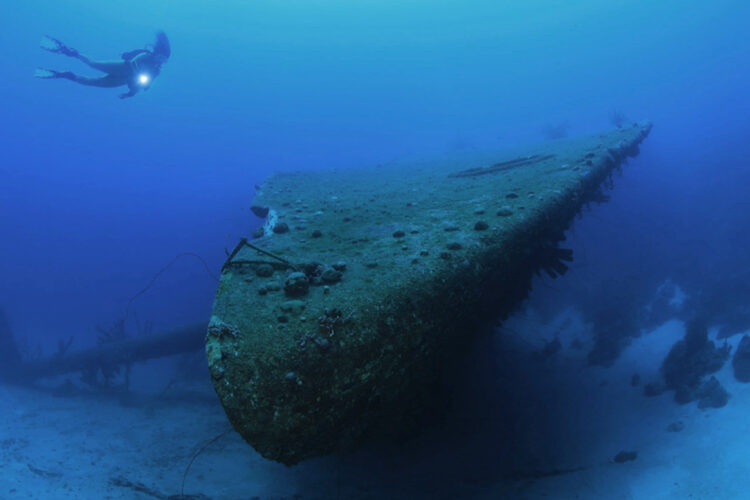
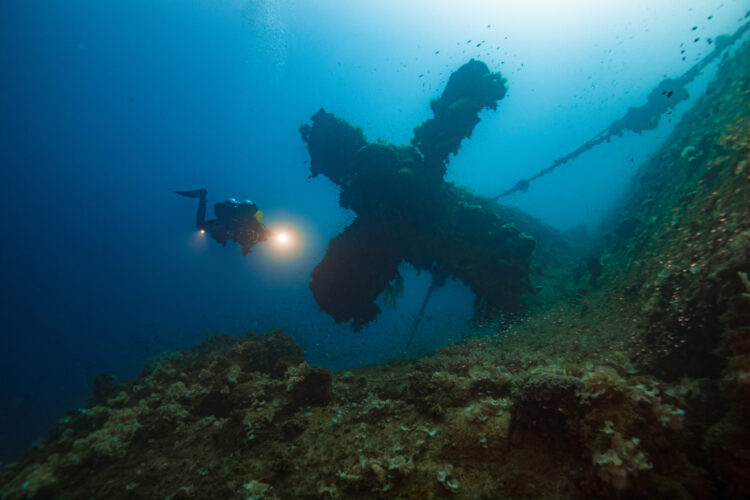
A Potentially Polluting Wreck (PPW) is a shipwreck containing a cargo of oil and/ or its own fuel oil that has the potential to cause environmental damage and disrupt maritime systems if it leaks or there is a catastrophic release. Many PPWs are casualties of the First and Second World Wars and, as war wrecks, pose particular challenges that need to be addressed.
How many Potentially Polluting Wrecks are there?
Since a widely-cited PPW study in 2005, it has been generally accepted that there are more than 8,500 PPWs which are either tankers larger than 150 gross tons or non-tanker vessels larger than 400 gross tons. However, the study did not include smaller vessels, the actual scale of the environmental hazard may be much greater, particularly at the local level.
Where are Potentially Polluting Wrecks located?
This is a global problem. The South Asian-Pacific region has the highest concentration of PPWs due to the fierce naval battles in the Pacific Theatre of the Second World War. In the Mediterranean and the Arctic, many vessels lost from wartime convoys lie on the seabed. Even in the areas that did not see major battles, concentrations of PPWs exist.
What damage will oil from Potentially Polluting Wrecks cause?
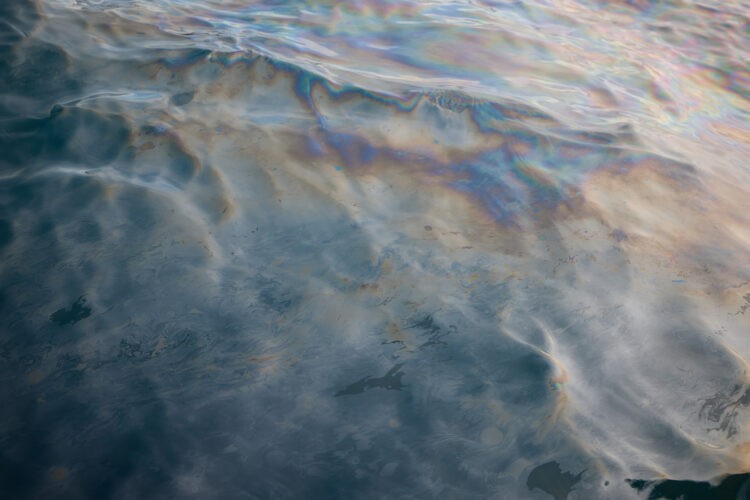
We know that oil spills cause damage to communities that can be profound and long-lasting, with severe health impacts as well as economic distress. Harm to nature can be catastrophic and widespread. Risk assessments based on the vulnerability of coastal communities, ecosystems and infrastructure, show that even relatively small amounts of oil in the wrong place can have devastating impacts.
Why are we in a critical period for Potentially Polluting Wrecks?
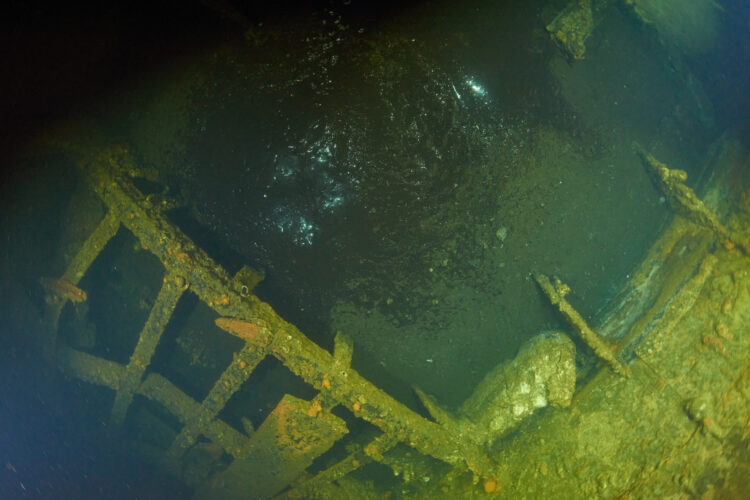
PPWs from the World Wards have experienced decades of corrosion – that alone would be enough to raise concerns about the integrity of their hull structures and the risk of catastrophic oil release. Deterioration is now being accelerated by climate change impacts that increase corrosion and place even greater stress on already weakened structures. These changes, combined with growing ocean industrialisation, bottom trawling and emerging threats like deep-sea mining, significantly heighten the risks associated with PPWs.
Why are new resources and finance needed?
The PPW threat cannot be managed using existing resources and funding alone. Most current arrangements for oil spill management have been designed to provide emergency response to contemporary incidents. The funding model for PPW management should reflect the cooperation needed for dealing with the complex legacy of war. It must also enable proactive intervention and rapid allocation of funds when a catastrophic even is imminent.
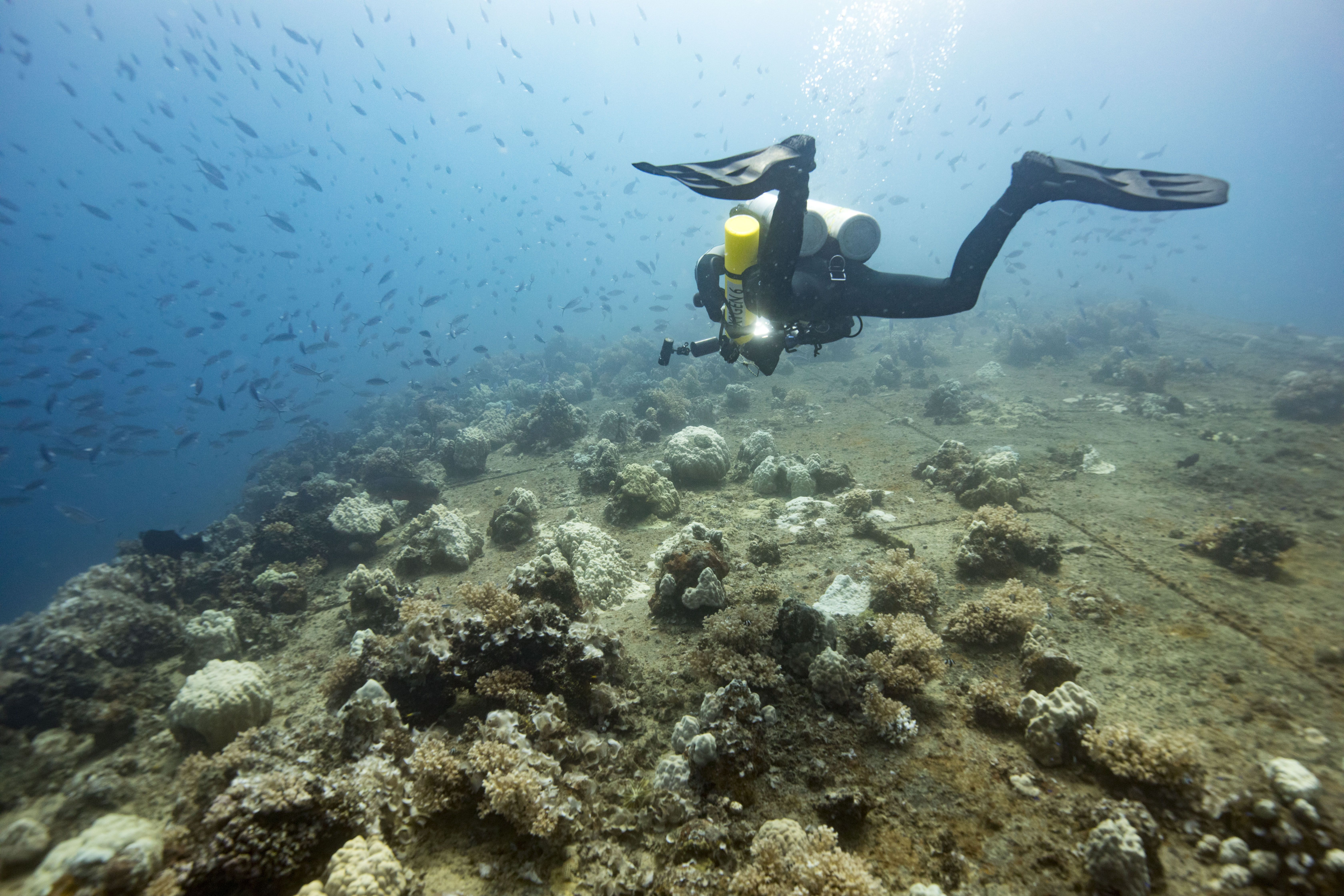
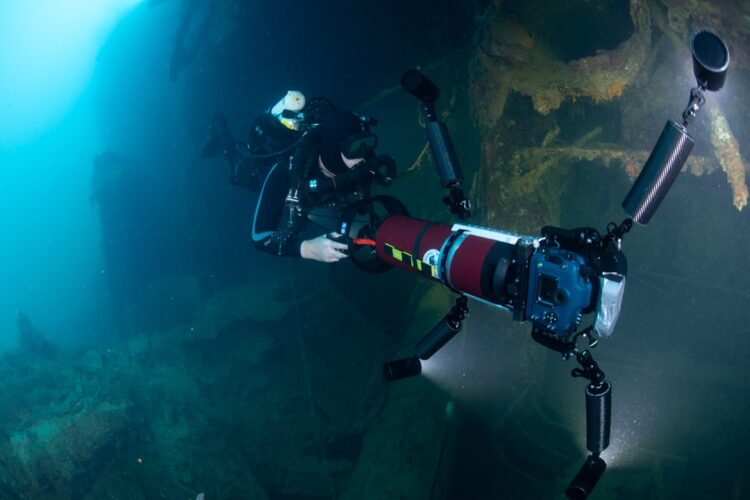
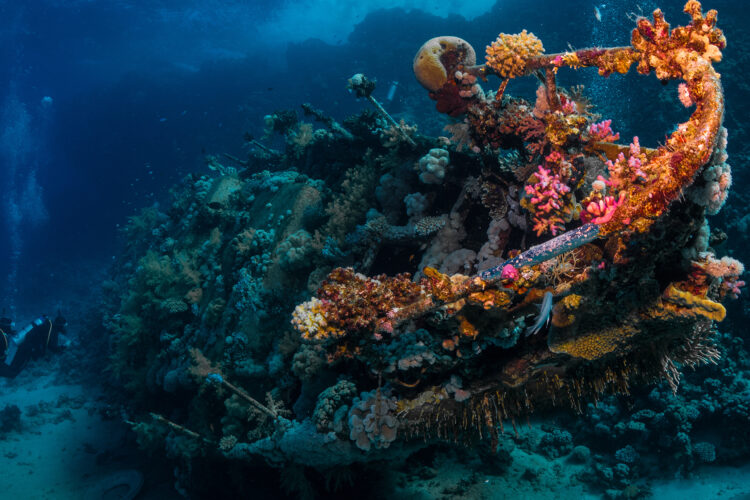
Steve Trewavas, photographer. Photo courtesy Major Projects Foundation.
Latest from our Blog
Learn more information about diverse elements of PPWs and World War wrecks from the team of Project Tangaroa partners and stakeholders. Read about our past and upcoming events you can be a part of!