In Maori and Polynesian mythology, Tangaroa is the god of the ocean. Tangaroa made laws to protect the ocean and its sea creatures.
Tiaki mai i ahau, maku ano koe e tiaki – If you look after me, then I will look after you
Project Tangaroa is an international initiative focused on addressing the environmental, safety and socio-economic risks posed by potentially polluting wrecks. The project aims to develop a global framework for the near- and long-term assessment, intervention and sharing of data relating to potentially polluting wrecks.
The Future
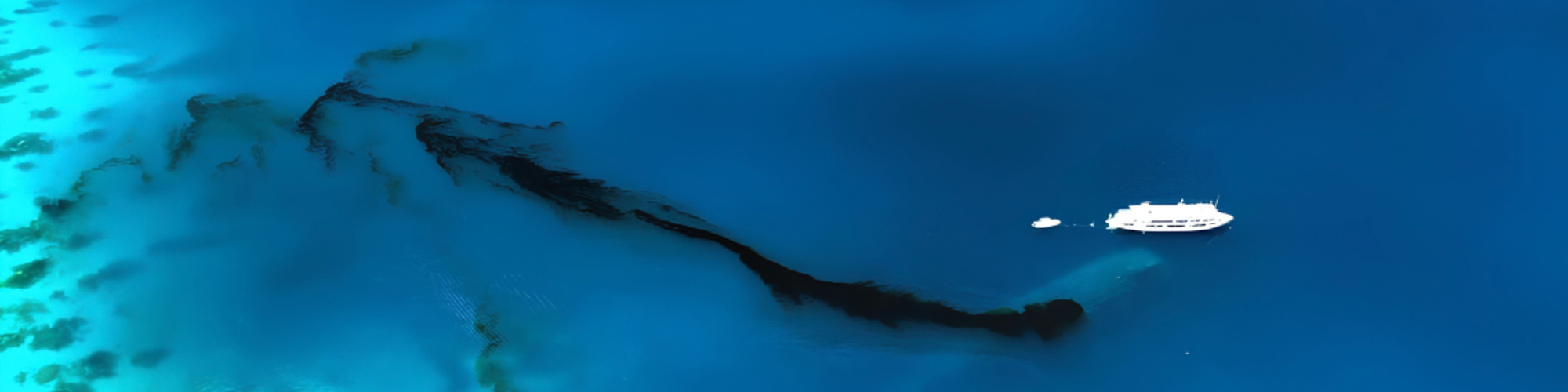
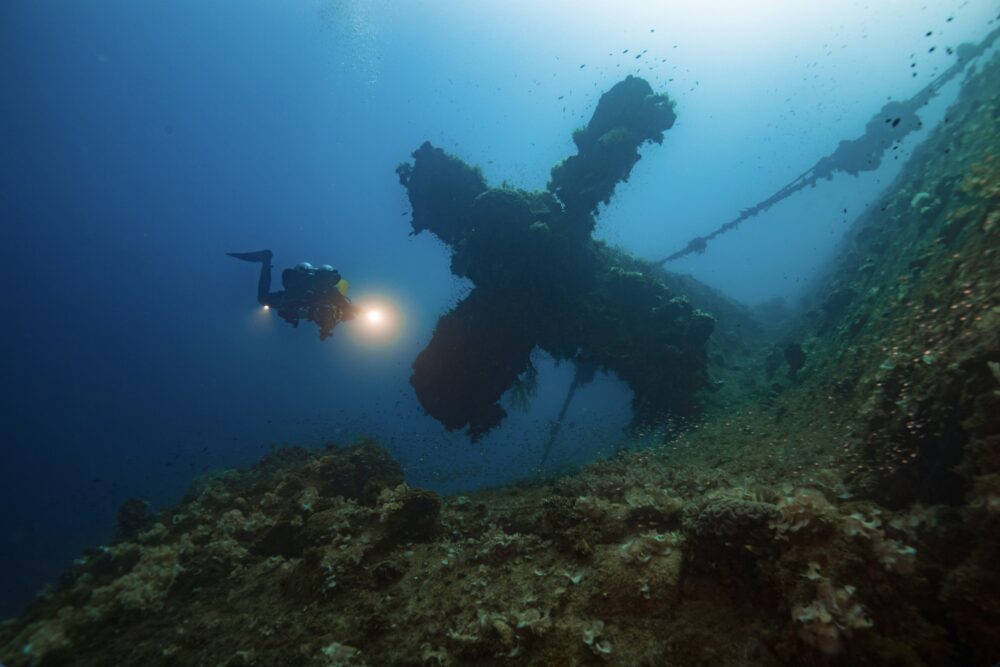
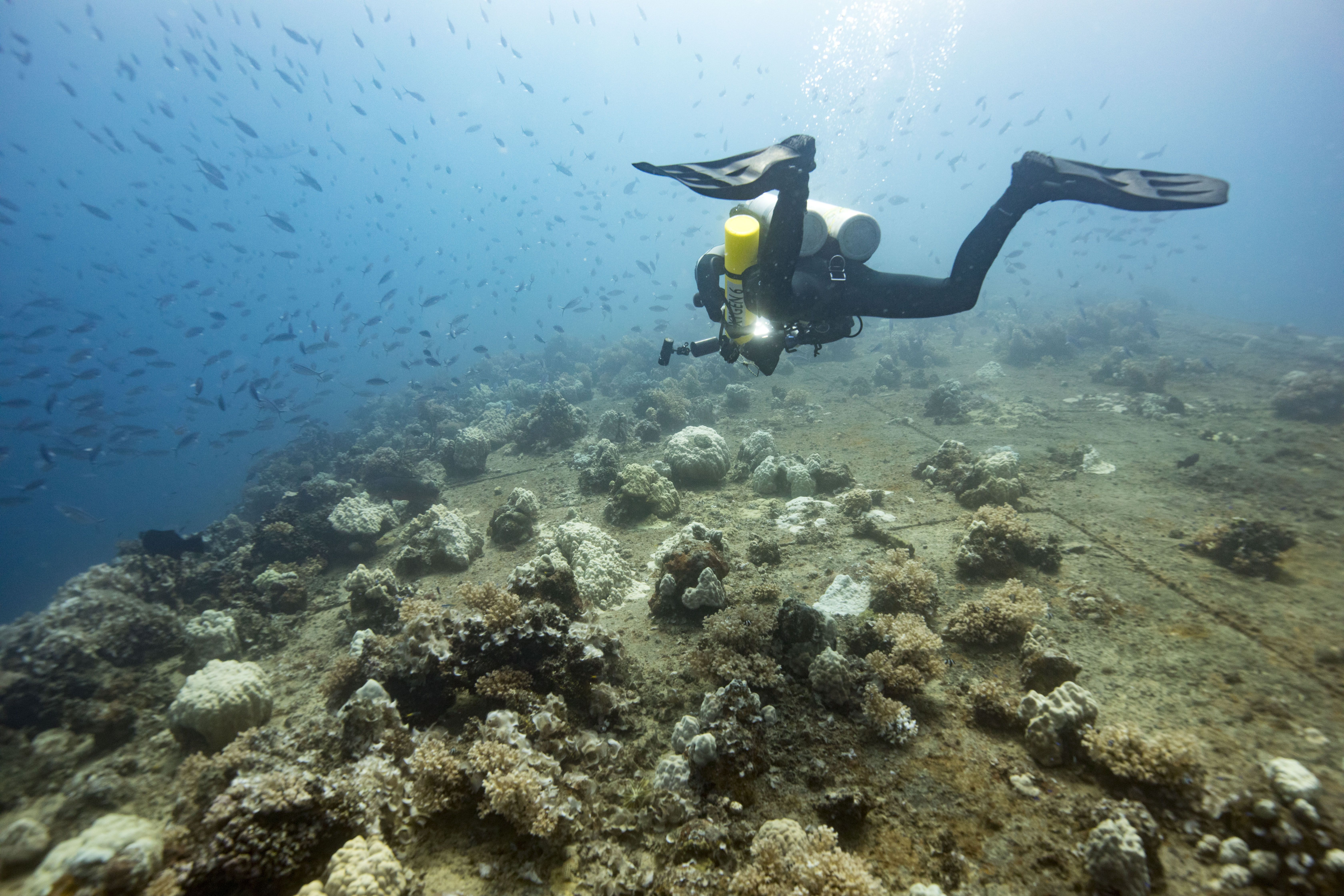
Thousands of potentially polluting wrecks lie on the ocean floor, many of them legacies of past conflicts. As these wrecks age and deteriorate, exacerbated by climate change, the risk of serious oil spills continues to grow—threatening coastal communities, marine ecosystems and the people whose health, food security and livelihoods depend on them.
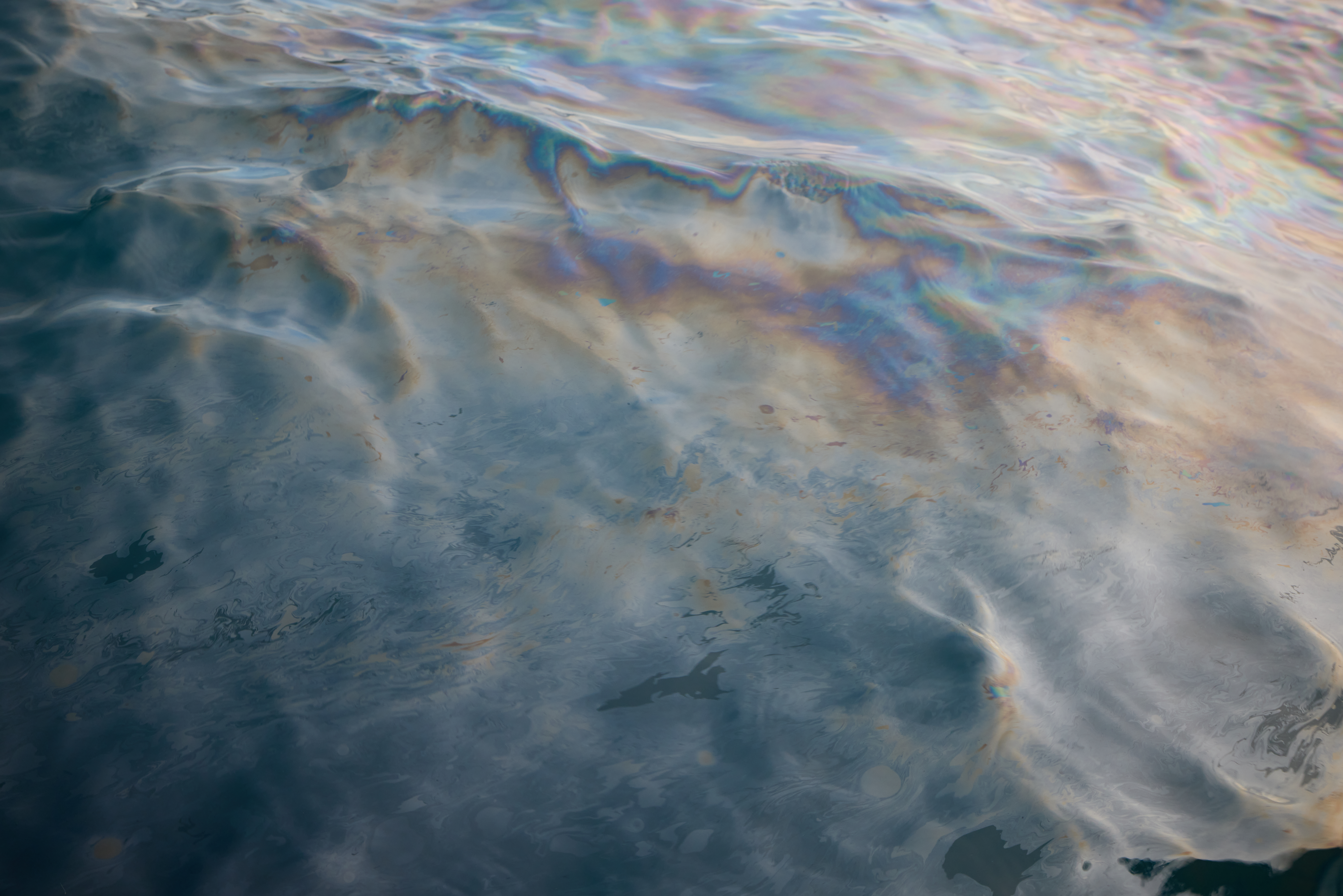
This is not a future threat. Wrecks known to contain oil are already leaking, damaging marine and coastal environments, affecting local economies and placing communities at risk.
Project Tangaroa is turning knowledge into action. We are developing the mechanisms needed to identify, assess and prioritise high-risk wrecks, enable preventive intervention, and deliver practical, scalable and fundable solutions. Beginning with a demonstrator project in Chuuk Lagoon, we aim to prove what can be achieved and establish a model for global action supported by sustainable, long-term funding.
Preventing an oil spill can cost significantly less than responding after disaster strikes—and avoids environmental, social and economic damage that may persist for decades. By acting now, we can protect our oceans, strengthen the resilience of coastal communities and prevent the legacy of past conflicts from becoming tomorrow’s environmental disasters.
Project History
Project Tangaroa began in 2023 when the Lloyd’s Register Foundation provided funding to The Ocean Foundation to publish three books on ‘Threats to Our Ocean Heritage’. These open access volumes covered deep sea mining, bottom trawling, and potentially polluting wrecks (PPWs). Grant funding was also provided to support a partnership between The Ocean Foundation and Waves Group to convene an international community of experts to develop international standards and protocols for PPW assessment and intervention. The grant, and resulting community of practice, became known as Project Tangaroa.
The principal aim was to accelerate a move away from costly and sub-optimal emergency response activity towards a more proactive and strategic approach. A series of four international workshops were convened, engaging a wide range of stakeholders to initiate action in the following areas:
The workshops involved government agencies, regulators, international bodies and foundations, marine industry contractors, finance providers, practitioners, researchers engaged in the PPW domain, and those involved in heritage management. The participants came from a broad range of geographies affected by the PPW issue, including Europe, the Americas, and the Pacific.
Our first phase benefited immensely from the support of an international expert community which helped build trust and credibility with key stakeholders including UN bodies and Government agencies. The findings from the phase helped create the Malta Manifesto and a PPW Insight Report.
Meet the team
Meet the team behind Project Tangaroa