
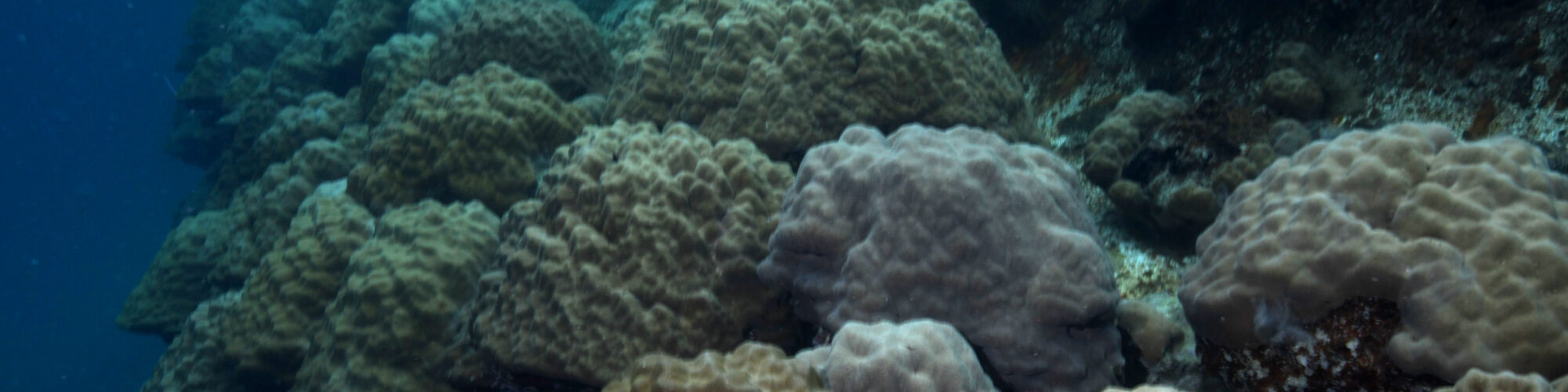
The global challenge of potentially polluting wrecks
Date : 20th September
Categories :
There are over 8,500 potentially polluting wrecks (PPWs) globally, including 3,800 from WWII. These PPWs contain hazardous materials like oil that threaten marine ecosystems. Removing oil from PPWs can be prohibitively expensive, and even if oil removal is successful, disposal presents challenges. As PPWs corrode over time, their toxic contents threaten the surrounding habitats and coastlines, making them “ticking ecological time bombs” (1). Most research on PPWs to date has focused on risk assessments. The US National Oceanic and Atmospheric Administration (NOAA) identified 87 high-risk PPWs in the US EEZ (2), and the Australia-based Major Projects Foundation identified 53 high-risk PPWs across the tropical Pacific (1) . These risk assessments provided foundational information to identify knowledge gaps. For example, rates of corrosion and structural change for PPWs are influenced by several factors including depth, temperature, pH, and biological colonization; yet, the impacts of these factors are extremely poorly constrained. Furthermore, climate-driven changes such as rising water temperatures and ocean acidification could destabilize PPWs, but these processes have rarely been investigated (3).
In this blog post, we hear from the Woods Hole Oceanographic Institution Wreck Intelligence Team:
Dr. Kirstin Meyer-Kaiser, Dr. Colleen Hansel, Dr. Calvin Mires, Dr. Jared Goldstone, Dr. Maria Pachiadaki, Dr. Christopher Reddy, and Dr. Dwight Coleman
Multidisciplinary research to address PPWs
The “Wreck Intelligence” Team at Woods Hole Oceanographic Institution has spearheaded multidisciplinary research on shipwrecks to address timely challenges. Our work has shown how changes to the physical structure of a shipwreck shape the biological community over time (4–6) . The reverse process – how biology impacts shipwreck structure – is poorly understood but yet critical for refined risk assessments of PPWs. Chemical processes, such as oxidation of iron, can be mediated by microorganisms, leading to biocorrosion (7) . On the other hand, calcifying animals such as corals might serve as “encrustations” to protect a shipwreck surface from further corrosion (8) . Here, we outline key questions to understand the complex interplay between physical, chemical, and biological processes impacting PPWs over time.
Challenge 1: How do the community composition and function of microorganisms influence the rate of corrosion on shipwrecks? How is biocorrosion influenced by temperature, pH, and the presence of oil?
Microorganisms play a crucial role in the transformation of metallic underwater structures, primarily through biocorrosion. Sulfate-reducing (Desulfovibrio spp.), iron-oxidizing (Mariprofundus ferrooxydans), and iron-reducing (Shewanella spp.) microorganisms that are enriched in shipwrecks (9, 10) accelerate metal degradation by forming biofilms that alter local chemical conditions (7). They facilitate electrochemical reactions, produce corrosive byproducts, and deposit metal oxides, leading to structural weakening. Additionally, sulfur-oxidizing bacteria contribute to corrosion by generating sulfuric acid, which corrodes metal. Shipwrecks impacted by Deepwater Horizon oil had faster rates of corrosion and significantly different microbial communities compared to unaffected shipwrecks (11), suggesting that biological processes may play a critical role in corrosion of PPWs and that rates of biocorrosion could be impacted by the presence of oil. However, the metabolic and chemical mechanisms driving biocorrosion are poorly understood. There is presently a critical need for research on the structure and function of microbial communities on shipwrecks to understand how biological and chemical processes interact to determine corrosion rates.
Challenge 2: To what extent do calcifying invertebrates, such as scleractinian corals, serve as “encrustations” to protect and halt the corrosion of shipwrecks? How is this “encrustation” function affected by changing temperature, pH, and the presence of oil?
For larger organisms, including invertebrates, the physical structure of an animal might play a role in halting corrosion. It has long been understood in the archaeological community that calcium carbonate deposits called “encrustations” can protect archaeological artifacts and structures (12). Upon recovery, many artifacts are covered in a calcified layer, which serves as a sort of casting, and degradation of the artifact increases when the encrustation is removed (13). In fact, iron is the most common material encased in encrustations (14). It is yet unclear whether “encrustation” is a biological or chemical process, but biological encrustations in the form of calcifying organisms have been found on ancient artifacts and have aided in their preservation over centuries underwater (15). Understanding whether biological encrustations could protect PPWs is a critical knowledge gap. Furthermore, reef-building corals are affected by rising global temperatures and ocean acidification, which lead to coral bleaching (16). Oil leaking from PPWs could serve as an additional stressor and affect coral “encrustations.” Understanding these interactions will be key to developing refined ecological risk assessments for PPWs.
Challenge 3: How do organisms affected by leaking oil or dissolved trace metals from PPWs adapt or acclimate to these chronic stressors? How do compounds released from PPWs impact the broader ocean environment?
The sinking of a vessel to the seafloor will introduce chemical compounds that do not occur naturally or would not be present at elevated concentrations. These compounds, including trace metals (Cu, Fe, Zn, Pb) and hydrocarbons, could create chronic stressors that drive acclimation or adaptation of surrounding fauna. Previous studies have shown dramatic changes in community structure surrounding shipwrecks, with domination of opportunistic species (17, 18). However, organismal-level impacts and the potential for adaptation are much less understood. There may be certain thresholds in oil concentration that impact organisms, or “tipping points” that drive mass mortality; however, the nature and magnitude of these effects are completely unknown.
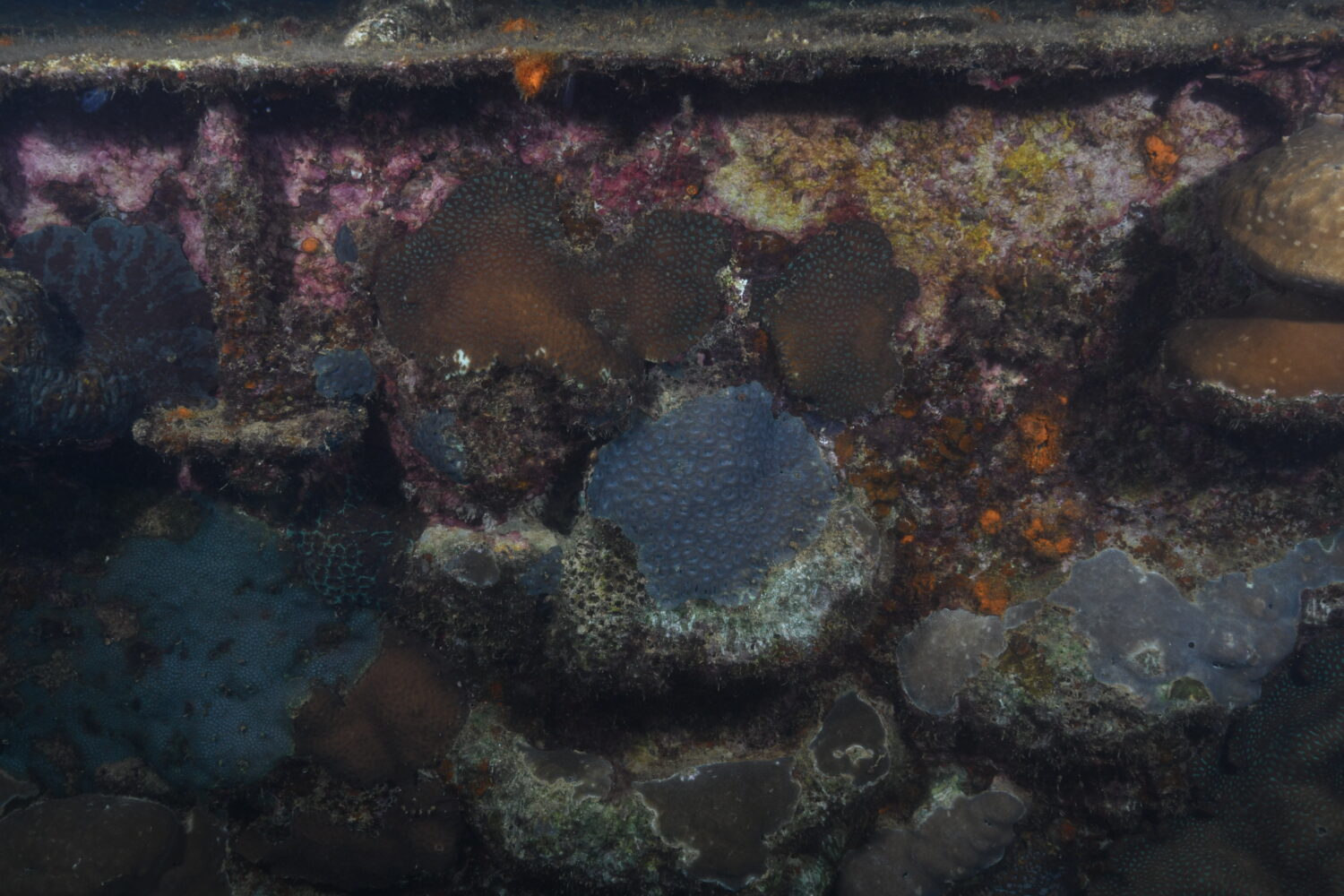
Corals living on the side of a WWII shipwreck in Palau. Kirsten Meyer-Kaiser, photographer. WHOI copyright.
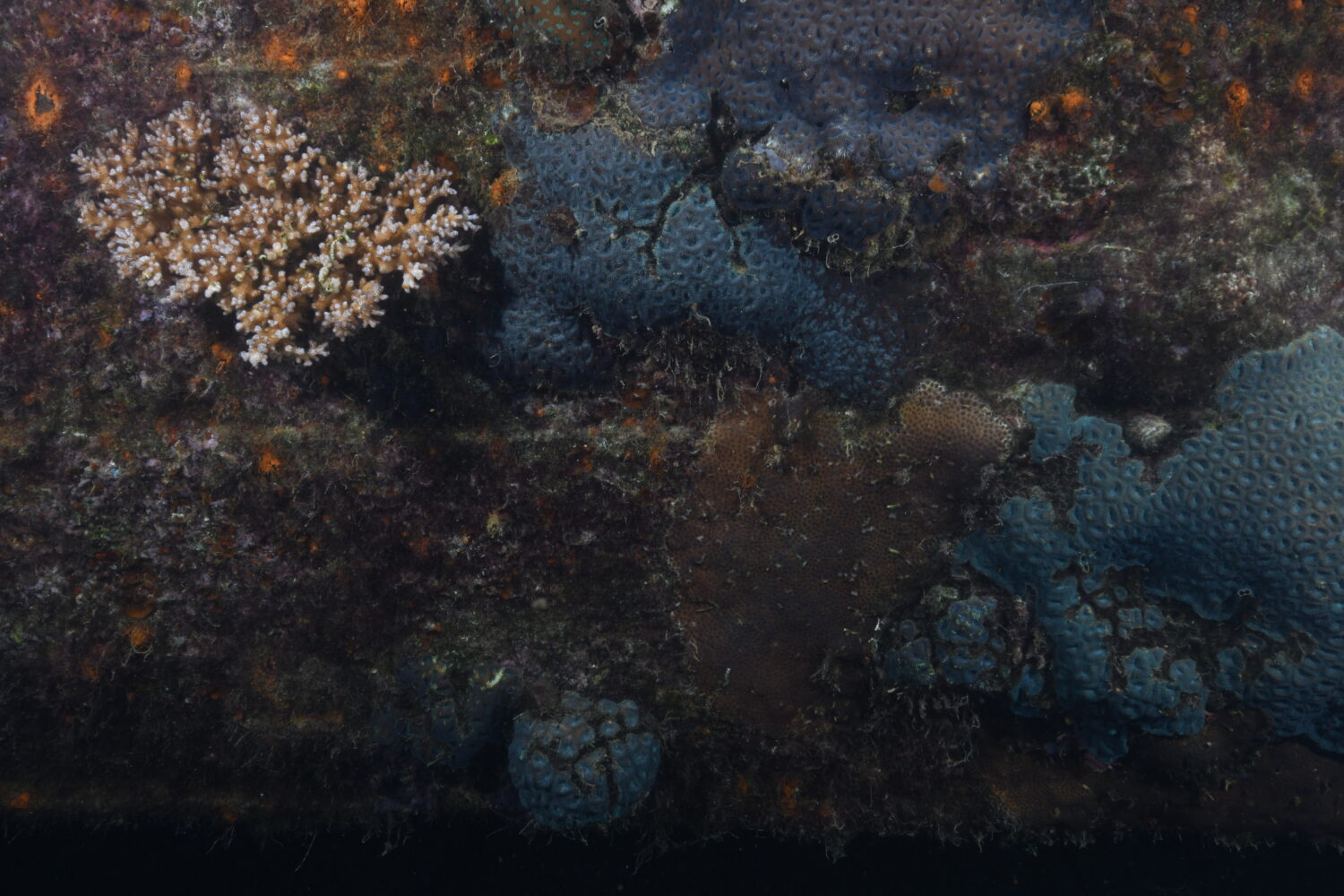
Corals living on the side of a WWII shipwreck in Palau. Kirsten Meyer-Kaiser, photographer. WHOI copyright.
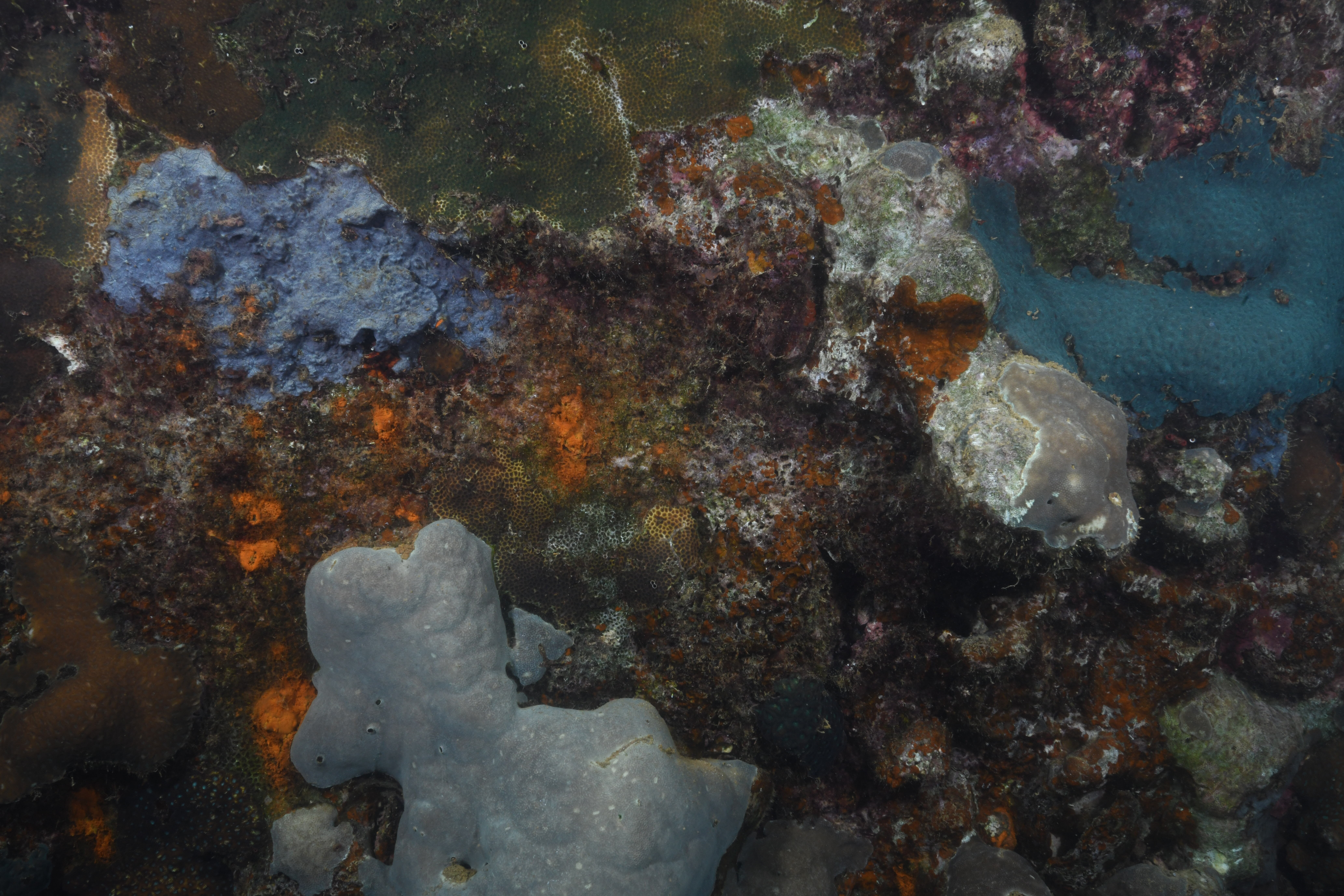
Corals living on the side of a WWII shipwreck in Palau. Kirsten Meyer-Kaiser, photographer. WHOI copyright.
A path towards PPW solutions
Multidisciplinary research on PPWs as described above will be critical for developing robust and long-term solutions to this environmental challenge.
Solution 1: Develop protocols for refined risk assessments incorporating ecological factors.
Conducting due diligence prior to investment in marine infrastructure requires tools for refined risk assessment. For infrastructure and environments potentially impacted by PPWs, these tools are generally lacking. Research on biocorrosion and biological encrustations (Challenge 1, Challenge 2) will provide the foundation for future PPWs risk assessments. In particular, estimation of corrosion rates and the probability of major oil release are critical parameters that will be enabled by this research. Understanding the interactions of temperature and pH with biocorrosion will enable prediction of long-term risk and climate change impacts.
Solution 2: Test and validate low-cost remediation methods.
Removal of oil from PPWs by standard “hot tapping” is impractical and costly. Research on biocorrosion and biological encrustations may reveal novel, biology-based remediation methods that can be achieved at lower cost. . Furthermore,the impacts of oil removal on microbes, corals, and corrosion or structural change of PPWs are entirely unknown. In the worst case, partial removal of oil may destabilize a PPW and lead to large-scale release of remaining oil reserves. Trial remediations should be conducted within the context of a multidisciplinary research program to determine any adverse side effects to biological communities or shipwreck corrosion. Oil leakage at a low level over time may actually be tolerable for some ecosystems, depending on evolutionary history and resilience of the biological community (19). Multidisciplinary research on the ecological impacts of PPWs (Challenge 3) could determine threshold values at which oil has adverse impacts on the surrounding environment. Slow, controlled oil release from a PPW below this threshold value may be an acceptable long-term remediation solution.
Solution 3: Develop autonomous early-warning methods and infrastructure.
A key element of PPW management and disaster mitigation will be development of early-warning systems. Chemical and physical analyses can help identify the source of an oil sheen, but preparedness is critical for effective disaster response. Autonomous sensors could be deployed on high-risk PPWs to provide early warning of oil release or (ideally) changes in environmental conditions triggering release. Development of these sensors requires identification of physical, chemical, and biological conditions associated with oil leakage surrounding PPWs.
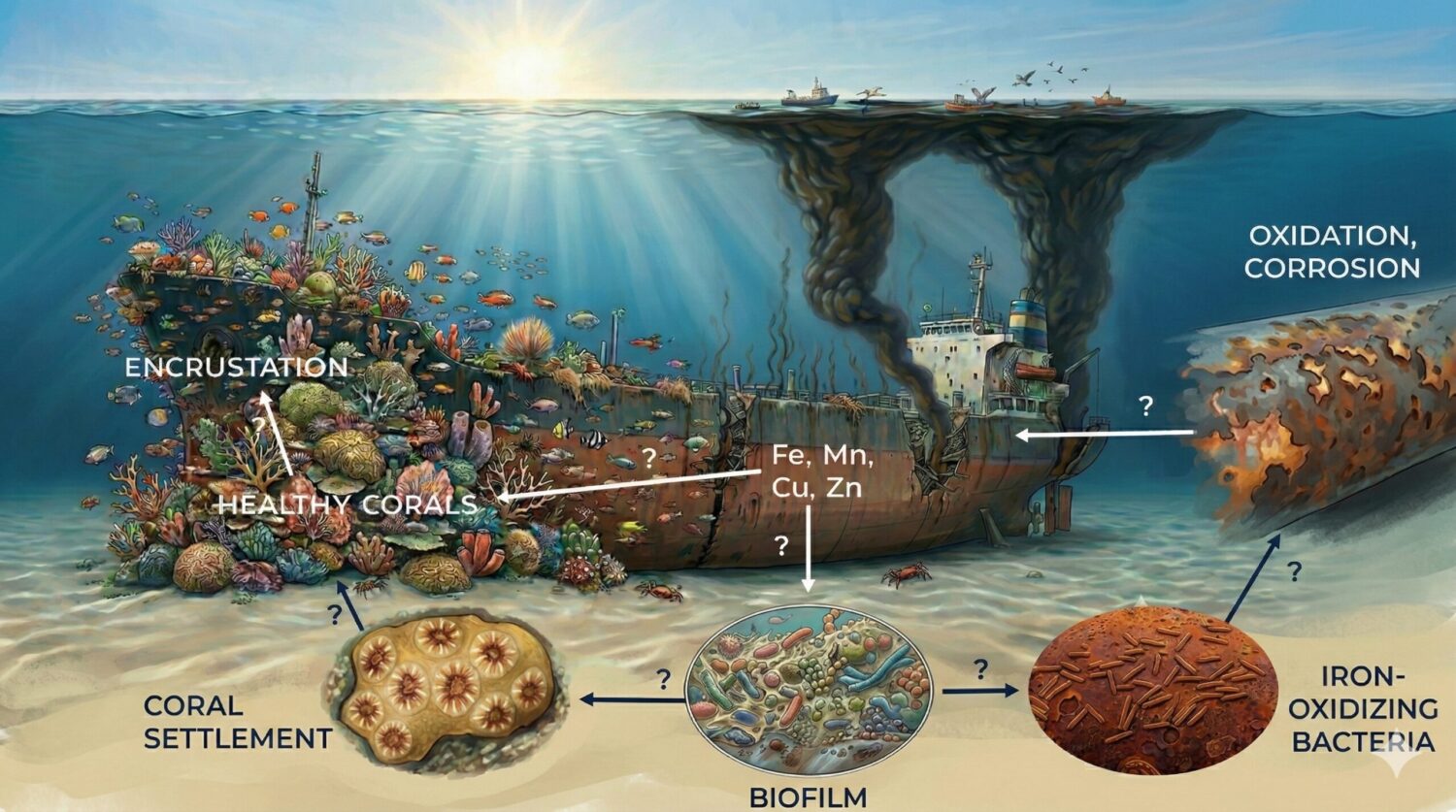
A diagram showing all the myriad processes that might impact the integrity of PPWs, but which are severely understudied and poorly understood. Created by Kirstin Meyer-Kaiser using generative AI.
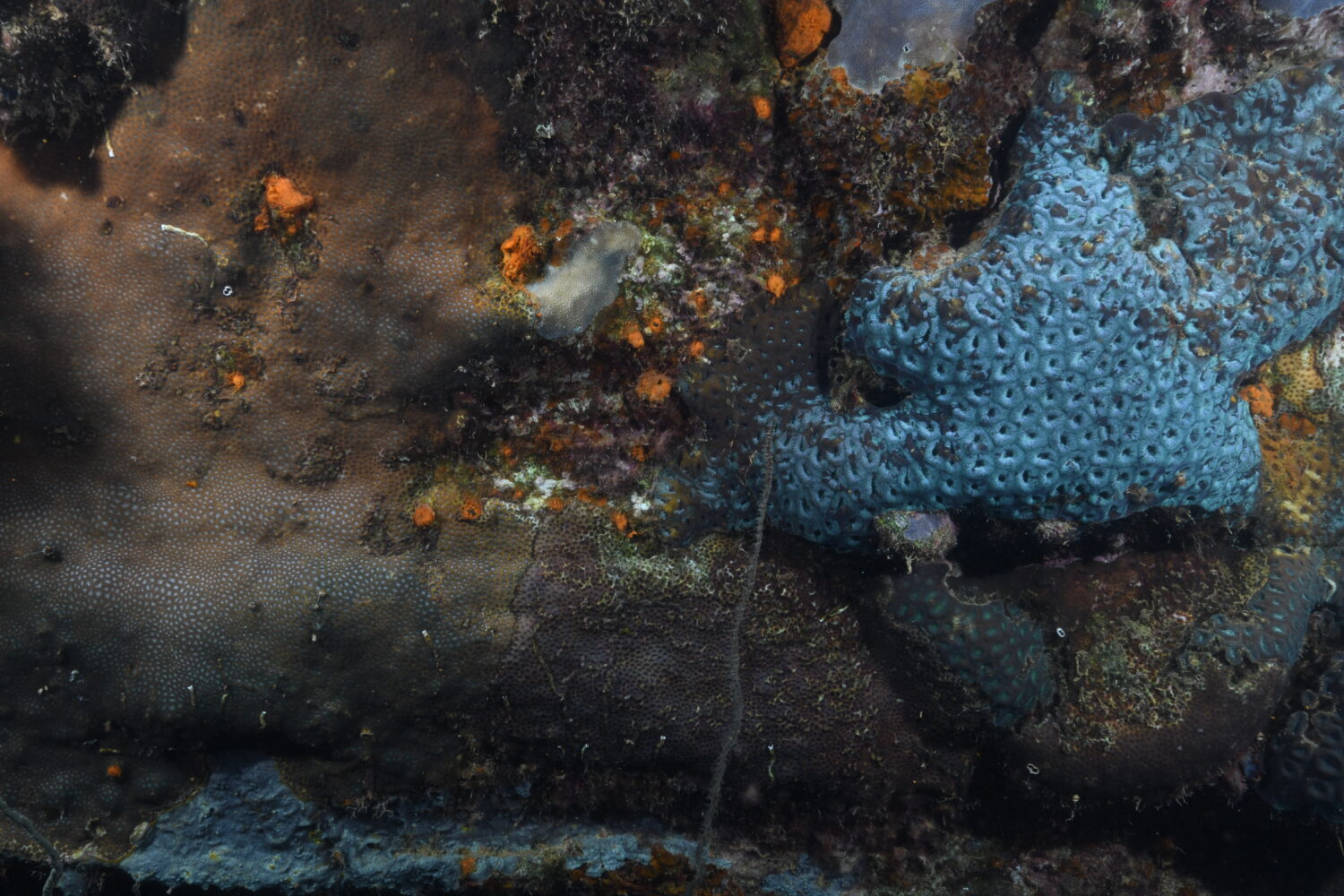
Corals living on the side of a WWII shipwreck in Palau. Kirsten Meyer-Kaiser, photographer. WHOI copyright.
Multidisciplinary research will lay a critical foundation for the development of robust multi-factor detection systems. Woods Hole Oceanographic Institution (WHOI) is the world’s largest independent organization dedicated to ocean research and engineering. WHOI’s mission is to advance knowledge of the ocean and to apply this knowledge to challenges facing society. The Wreck Intelligence team includes experts in chemistry, biology, toxicology, archaeology, and imaging – a truly integrated, multidisciplinary team addressing PPWs. In addition, WHOI brings to the table an unparalleled operational capacity, including a scientific diving program and global-class assets for accessing the deep ocean. Our team is poised to make a substantial impact in resolving the global challenge of PPWs.

Corals living on the side of a WWII shipwreck in Palau. Kirsten Meyer-Kaiser, photographer. WHOI copyright.
Further Resources
- M. Carter, F. Goodsir, P. Cundall, M. Devlin, S. Fuller, B. Jeffery, G. Hil, A. Talouli, Ticking ecological time bombs: risk characterisation and management of oil polluting World War II shipwrecks in the Pacific Ocean. Mar. Pollut. Bull. 164, 112087 (2021).
- N. O. and A. Administration, “Risk assessment for potentially polluting wrecks in U.S. waters” (Silver Spring, MD, 2013).
- J. Wright, Maritime archaeology and climate change: an invitation. J. Marit. Archaeol. 11, 255–270 (2016).
- K. S. Meyer-Kaiser, C. H. Mires, M. Kovacs, E. Kovacs, B. Haskell, Structural factors driving benthic invertebrate community structure on historical shipwrecks in a large North Atlantic marine sanctuary. Mar. Pollut. Bull. 178, 113622 (2022).
- C. H. Mires, K. S. Meyer-Kaiser, A case study in Maritime Heritage Ecology: understanding how structural changes to the 1898 shipwreck Portland affect biological diversity and colonization. J. Marit. Archaeol. 18, 197–218 (2023).
- K. S. Meyer-Kaiser, C. H. Mires, S. Sorset, D. Jones, R. Mather, Structural drivers of biodiversity on shipwrecks and natural hard-bottom reefs in the mesophotic zone. Mar. Ecol. Prog. Ser. 755, 15–28 (2025).
- D. Bermont-Bouis, M. Janvier, P. A. D. Grimont, I. Dupont, T. Vallaeys, Both sulfate-reducing bacteria and Enterobacteriaceae take part in marine biocorrosion of carbon steel. Appl. Microbiol. 102, 161–168 (2007).
- N. Pearson, The multispecies shipwreck. Int. J. Herit. Stud. 30, 673–686 (2023).
- R. L. Mugge, C. F. Rakocinski, M. Woolsey, L. J. Hamdan, Proximity to built structures on the seabed promotes biofilm development and diversity. Biofouling. 39, 706–718 (2023).
- M. O. Shostak, M. A. Cox, N. Richards, E. K. Field, Evaluation of biofilm assembly and microbial diversity on a freshwater, ferrous-hulled shipwreck. Appl. Environ. Microbiol. 90, e01770-24 (2024).
- R. L. Mugge, M. L. Brock, J. L. Salerno, M. Damour, R. A. Church, J. S. Lee, L. J. Hamdan, Deep-sea biofilms, historic shipwreck preservation and the Deepwater Horizon spill. Front. Mar. Sci. 6, 48 (2019).
- D. Hamilton, Basic methods for conserving underwater archaeological material culture (US Department of Defense Legacy Resource Management Program, Washington, DC, 1996).
- J. Cronyn, Elements of archaeological conservation (Routledge, London, 1990).
- W. Yeager, A survey of stabilization and storage techniques to protect iron encrustations and artifacts recovered from salt-water marine archaeology sites. Proc. Ocean. 2005 MTS- IEEE (2006) (available at 10.1109/OCEANS.2005.1640024).
- M. F. Gravina, E. Casoli, L. Donnarumma, J. Giampaoletti, F. Antonelli, C. Sacco Perasso, S. Ricci, First report on the benthic invertebrate community associated With a bronze naval ram from the First Punic War: a proxy of marine biodiversity. Front. Mar. Sci. 8, 772499 (2021).
- M. P. Lesser, Coral reef bleaching and global climate change: can corals survive the next century ? Proc. Natl. Acad. Sci. 104, 5259–5260 (2007).
- T. M. Work, G. S. Aeby, B. P. Neal, N. N. Price, E. Conklin, A. Pollock, Managing an invasive corallimorph at Palmyra Atoll National Wildlife Refuge, Line Islands, Central Pacific. Biol. Invasions. 20, 2197–2208 (2018).
- E. Casoli, G. Mancini, D. Ventura, D. S. Pace, A. Belluscio, G. D. Ardizzone, Reteporella spp. success in the re-colonization of bare coralligenous reefs impacted by Costa Concordia shipwreck: The pioneer species you did not expect. Mar. Pollut. Bull. 161, 111808 (2020).
- W. A. Overholt, P. Schwing, K. M. Raz, D. Hastings, D. J. Hollander, J. E. Kostka, The core seafloor microbiome in the Gulf of Mexico is remarkably consistent and shows evidence of recovery from disturbance caused by major oil spills. Environ. Microbiol. 21, 4316–4329 (2019).